

For many athletes, getting ready before a sporting event is about more than just putting on a uniform. It’s a ritual. Whether it’s braiding hair with your friends on the bus, putting on lucky jewelry, or listening to your favorite “pump up” song, these routines create a sense of control in a moment that feels uncontrollable. For athletes, preparation can become a sort of mental armor- a way to calm nerves, build confidence, and step into the version of themselves that feels complete.
Though the routines may seem random, athletes insist that they are not. They are intentional habits that help them feel prepared both physically and mentally.
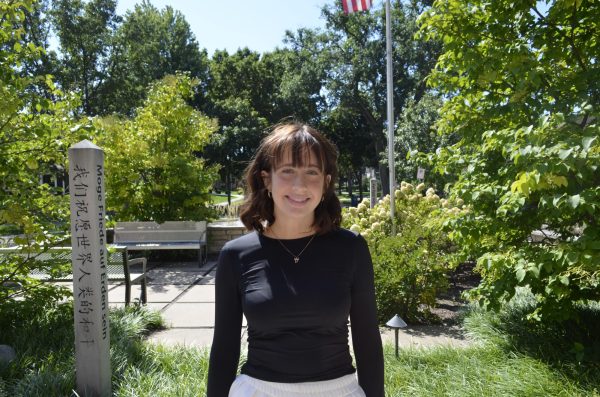
“Before competing, I like to keep my hair out of my face, listen to music to hype myself up, and double-knot my tennis shoes,” junior Mehr Tiwana said. Tiwana has been playing tennis since freshman year, which has given her time to create these small, repeated actions that create a sense of control and readiness. By doing the same steps each time, her matches feel less overwhelming and more familiar.
There is the repeated phrase of “feel good, play good.” Many athletes go by this motto. One of these athletes is junior Olivia Watland.
“Having a routine is less stressful than not having a routine,” Watland said.
As athletes and researchers continue to explore the connection between routine and performance, it becomes clear that these small, intentional actions may create a bigger impact than most people realize.
However, not everything that athletes use to feel better is mental. Some of it can be how they look on the outside, including the new hot beauty trends that tend to make themselves known every week. In the sport of dance, makeup is a commonly used way to express beauty in the form of a message.
“For me, putting makeup on makes me feel more confident because I know that it will look good on stage,” junior CarolAnn Fioti said.
Dance is an art form, and appearance often plays a role in telling the story being performed. The makeup, hair, and costumes dancers wear help highlight key facial expressions and movements so the audience can better connect with the performance.
Together, these different forms of preparation show that athletes rely on more than just physical training when it comes time to compete. Small habits and personal repeated traditions help shape how athletes approach competition and how confident they end up feeling in the very moment the whistle blows, and the game starts. While the routines may differ from sport to sport, or athlete to athlete, they all have one feeling in common: stepping into their events feeling composed, prepared, and ready to give their best performance.