

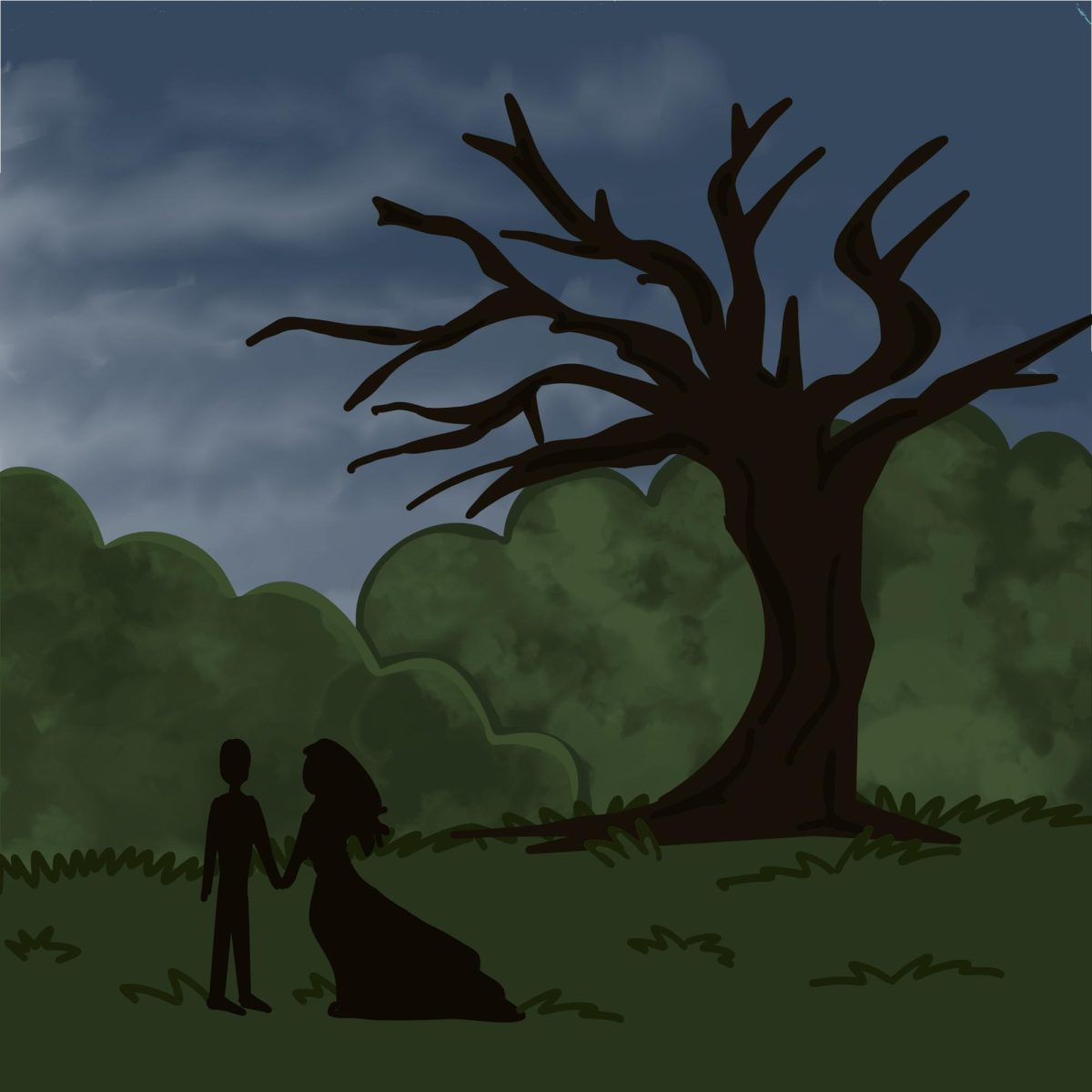
‘Wuthering Heights’ is a bold, stylish adaptation of Emily Brontë’s classic gothic novel, transforming it into a modernized romantic drama. The film was highly anticipated, especially because of the cast and unique creative direction, which made expectations even higher. Directed by Emerald Fennell, the film centers on the relationship between Catherine Earnshaw (Margot Robbie) and Heathcliff (Jacob Elordi), childhood friends whose bond turns obsessive and tragic. What begins as a story of love quickly spirals into betrayal and jealousy, all shown through rich cinematography and an unexpected soundtrack.
The performances are the film’s strongest element. Robbie makes Catherine feel both relatable and frustrating to watch. Robbie’s expressions make her character impossible to ignore. Elordi’s Heathcliff leans more into a damaged romantic than a villain, which makes their relationship feel more tragic than terrifying. While this interpretation softens some of the novel’s harsher themes, it makes the romance easier for viewers unfamiliar with the novel to understand. Edgar Linton (Shazad Latif) serves as the polished contrast to Heathcliff’s gloomy presence. However, Latif’s on-screen portrayal lacks the emotional depth of his character in the book.
One of the most creative choices is the use of music by Charli XCX. The upbeat tracks, including “House” and “Chains of Love”, add emotional energy that makes the story feel modern rather than old-fashioned. Instead of relying on traditional orchestral music that would better fit the time period, the soundtrack adds to Catherine’s recklessness and Heathcliff’s obsession. It gives the film a distinctive tone and helps separate it from previous adaptations.
While the movie succeeds in creating a dramatic and visually captivating experience, it also disregards major plotlines and important characters from Brontë’s novel. The novel’s complex narrative is simplified, and much of the storyline and central themes are minimized or removed entirely. Most notably kept out of the film is Hindley Earnshaw, Catherine’s older brother, whose cruelty and downfall are essential to Heathcliff’s character in the novel. Hindley’s abuse shapes the power dynamics at Wuthering Heights and motivates Heathcliff’s desire for revenge. Without his character, Heathcliff’s motivations feel less important and are too focused on romance. The removal of other key characters further narrows the plot, taking away important events that give the book its disturbing impact.
For someone who has read the novel, it’s hard to ignore the drastic changes to the film’s plot. The story has less depth, focusing almost entirely on the central romance rather than the damages caused by obsession and jealousy. At times, the pacing is slow on emotional scenes, slightly weakening their impact. Other scenes feel drawn out, and without the novel’s layered structure, the film can feel repetitive. Because so much of the novel’s complexity is removed, the emotional weight that makes the original story so powerful is not there, which made the film feel more empty than impactful to me.
Overall, ‘Wuthering Heights’ is a visually striking and emotionally intense adaptation that will likely appeal to audiences who have not read the book. Viewers unfamiliar with the novel will appreciate the simplified romance and dramatic atmosphere. However, despite the strong performances and stylish direction, I personally did not enjoy the film because it removes the novel’s psychological depth and intensity for a more straightforward romance, which ultimately made it feel incomplete.